

A successful NY road test is rarely about making one impressive move. It is about showing an examiner that you make safe, steady decisions from the moment you pull away from the curb until you park at the end. For many Brooklyn drivers, the pressure comes from not knowing what will happen on the route. The good news is that the skills being evaluated are clear, practical, and trainable.
Whether you are a first-time driver, an adult returning to driving after years away, or an experienced driver adapting to New York rules, focused preparation can replace last-minute anxiety with real control behind the wheel.
What Happens During an NY Road Test
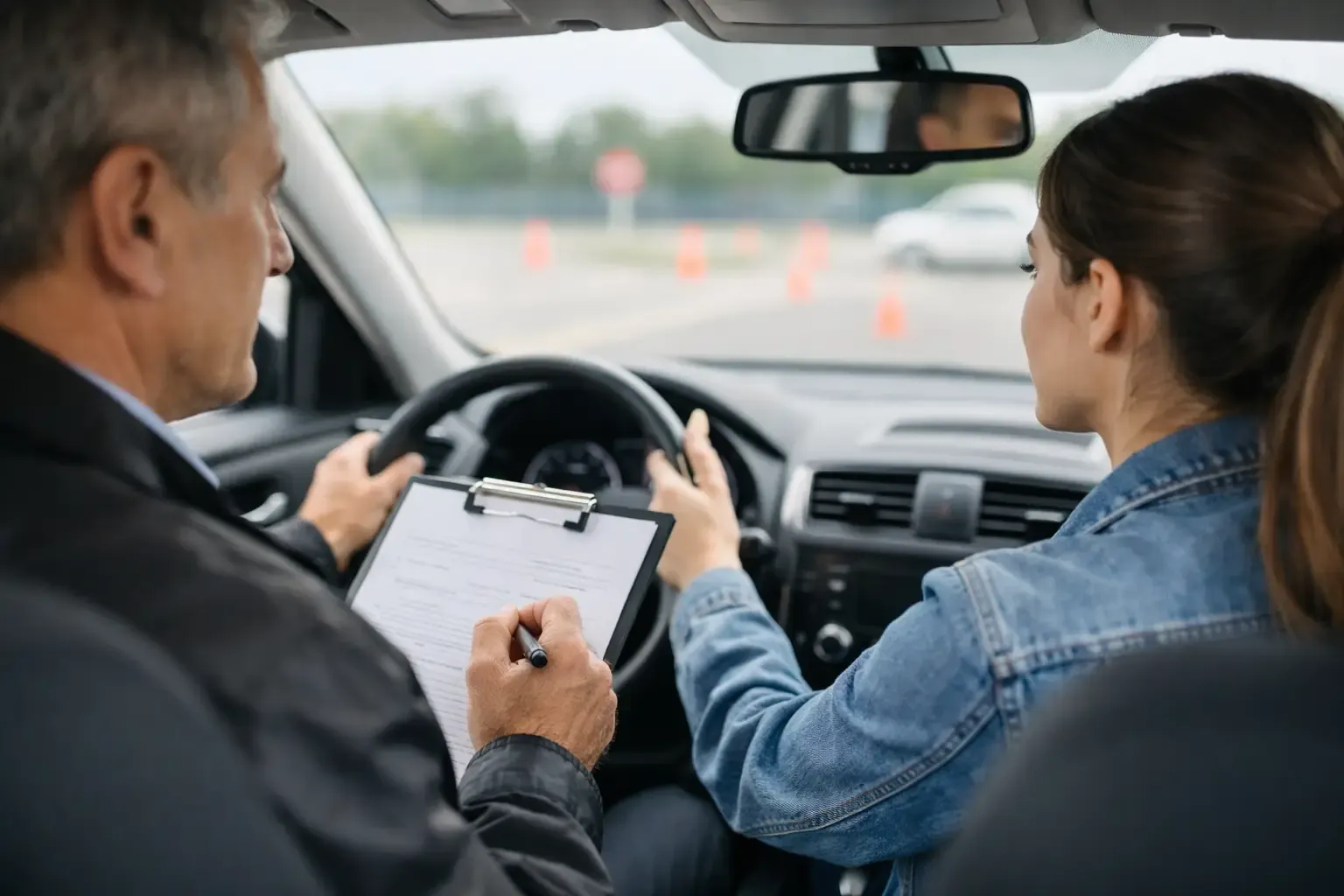
The road test is a brief evaluation of how you handle a vehicle in regular traffic. The examiner is not looking for perfect driving or trying to surprise you. They are watching whether you observe the road, follow signs and signals, control the car smoothly, and respond safely to instructions.
Your exact route and maneuvers can vary by test location, traffic conditions, and the examiner’s directions. Still, most tests include normal driving on local streets, turns at intersections, stopping and starting, lane positioning, parking, and a three-point turn. Parallel parking is commonly assessed, so it deserves more than a few rushed attempts before test day.
The examiner also notices the small habits that reveal whether you are truly aware of your surroundings. That includes checking mirrors, looking over your shoulder before moving from the curb, yielding when required, using signals early, and coming to complete stops.
What NY Road Test Examiners Actually Evaluate
A clean score does not mean every turn feels perfectly smooth. It means your driving stays safe, legal, and predictable. Examiners generally evaluate vehicle control, observation, traffic-law compliance, and judgment.
Vehicle control includes steering, braking, acceleration, and parking without hitting a curb or creating unnecessary risk. Observation means actively checking for pedestrians, cyclists, cars, traffic signals, and changing conditions. A driver who only looks straight ahead may miss important information, even if the vehicle stays in its lane.
Good judgment is often what separates a prepared student from a nervous one. If a pedestrian is approaching a crosswalk, slow down and be ready to yield. If a parked delivery truck blocks your view, do not rush around it. If you are unsure whether there is enough space to turn, wait until it is safe. Careful decisions are better than hurried ones.
Speed matters, too. Driving too fast can lead to serious deductions, but driving far below the posted limit without a reason can disrupt traffic and suggest uncertainty. Practice maintaining a safe, appropriate speed while adjusting for rain, poor visibility, congestion, school zones, and pedestrians.
Your Eyes Should Lead the Car
Many test-day mistakes start before the car moves. Students sometimes check a mirror without turning their head, or they focus so intensely on the examiner’s next instruction that they forget to scan the road. Build a simple habit: look ahead, check mirrors regularly, and check blind spots before pulling out, changing position, or entering traffic.
This habit should be visible but natural. Do not perform exaggerated movements for the examiner. Instead, develop consistent observation during every practice drive until it becomes part of how you operate the vehicle.
Practice the Skills That Cause the Most Stress
Parallel parking and three-point turns make many drivers nervous because they are controlled maneuvers performed in a limited space. They become much easier when you understand the setup rather than relying on a memorized trick that only works in one vehicle or one parking space.
For parallel parking, practice approaching slowly, aligning your vehicle properly, checking all around before backing, and making small steering corrections. Avoid rushing to finish. If you need to adjust your position safely, that is usually better than forcing the vehicle into the space and touching the curb.
For a three-point turn, the priority is observation. Signal if appropriate, check for traffic in both directions, move slowly, and avoid using a driveway to complete the maneuver. The street may be narrow, cars may be parked nearby, and pedestrians may appear unexpectedly. Calm, deliberate control matters more than speed.
Turns are another area where preparation pays off. Begin slowing before the intersection, signal in advance, enter the correct lane, and turn into the appropriate lane without cutting corners. Keep your eyes moving through the turn rather than staring at the curb directly in front of the car.
Prepare for the Test Day, Not Just the Test Route
A student can drive well during practice and still feel unsettled on test day if the logistics are unclear. Confirm your appointment details ahead of time and arrive early enough to settle in without feeling rushed. Bring the documents required for your appointment and make sure your learner permit is valid.
You must also have access to a properly registered, insured vehicle that is safe and legal to drive. Before the test, check that the lights, brake lights, turn signals, horn, mirrors, tires, seat belts, and windshield are in working condition. A vehicle problem can prevent the test from starting, even if you are ready to drive.
If you use a school vehicle, make sure you understand what is included in your package and when you will meet your instructor. A road test package can be especially helpful for students who do not have a reliable car available or who want a warm-up lesson immediately before the exam.
Wear comfortable shoes that let you feel the pedals properly. Keep your phone away, adjust the seat and mirrors before driving, and take a moment to breathe. You do not need to impress the examiner with confidence. You need to demonstrate safe driving one decision at a time.
Mistakes That Can Hurt an Otherwise Good Test
One mistake does not always mean an automatic failure. However, dangerous actions or repeated errors can quickly affect the result. The most common avoidable issues are incomplete stops, missed blind-spot checks, late signals, poor lane position, speeding, and failing to yield to pedestrians or traffic with the right-of-way.
Another common problem is letting nerves change your usual driving habits. Some students brake too abruptly, grip the wheel too tightly, or wait so long at an intersection that they miss safe opportunities to proceed. Practice should include real Brooklyn conditions, not only quiet streets. You need experience with parked cars, busy intersections, double-parked vehicles, pedestrians, and changing traffic flow.
If you make a minor error, do not assume the test is over. Correct what you can safely correct and continue following the examiner’s instructions. Staying composed after a mistake is part of demonstrating good judgment.
Why a Pre-Test Lesson Can Make a Difference
A road test is not the ideal place to discover a habit you did not know you had. A professional instructor can identify details that family members or friends may overlook, such as rolling through a stop, turning too wide, waiting too late to brake, or failing to check a blind spot.
One-to-one instruction also lets you practice in the type of environment that may challenge you most. A beginner may need time building basic control. A driver with an international license may need help adapting to New York traffic rules and test expectations. A student who previously did not pass may benefit from targeted correction rather than repeating every lesson from the beginning.
At Sky Light Driving School, students can prepare in late-model BMW and Lexus training vehicles with patient, personalized instruction available in English and Russian. The goal is not to memorize a route. It is to develop the safe habits that travel with you long after the license is issued.
Common Questions About the NY Road Test
How long is the road test?
The driving portion is typically short, but allow extra time for check-in, vehicle preparation, and instructions. Do not judge readiness by how long the test lasts. In a short drive, an examiner can see a great deal about your observation, control, and decision-making.
Can I use my own car for the test?
Yes, if it meets New York requirements and is in safe operating condition. You will need an appropriately licensed driver to bring you to the test site because you cannot drive there alone with a learner permit. If borrowing a vehicle adds stress, a driving school test package may provide a simpler option.
What if I do not pass the first time?
Treat the result as feedback, not a final judgment of your ability. Review the areas that need work, practice those skills deliberately, and schedule your next attempt when you are ready. Many capable drivers need more than one test, especially when nerves or unfamiliar test-day conditions affect their performance.
Should I take a lesson right before my test?
For many students, yes. A pre-test lesson gives you time to get comfortable in the vehicle, review the skills most likely to be evaluated, and arrive at the test site focused. It is particularly useful if you have not driven recently, are using a different car, or feel anxious about parking and turns.
Your license starts with the habits you bring to the road test. Give yourself enough practice to drive with awareness, not guesswork, and let calm preparation be the confidence you take into the driver’s seat.
👩🏫 Expert Advice
Mastering the NY road test requires more than just driving skills; it demands confidence and awareness. Make a habit of scanning your surroundings and maintaining control at all times. With practice, you’ll transform anxiety into assurance, making the road not just a challenge, but an adventure!


