

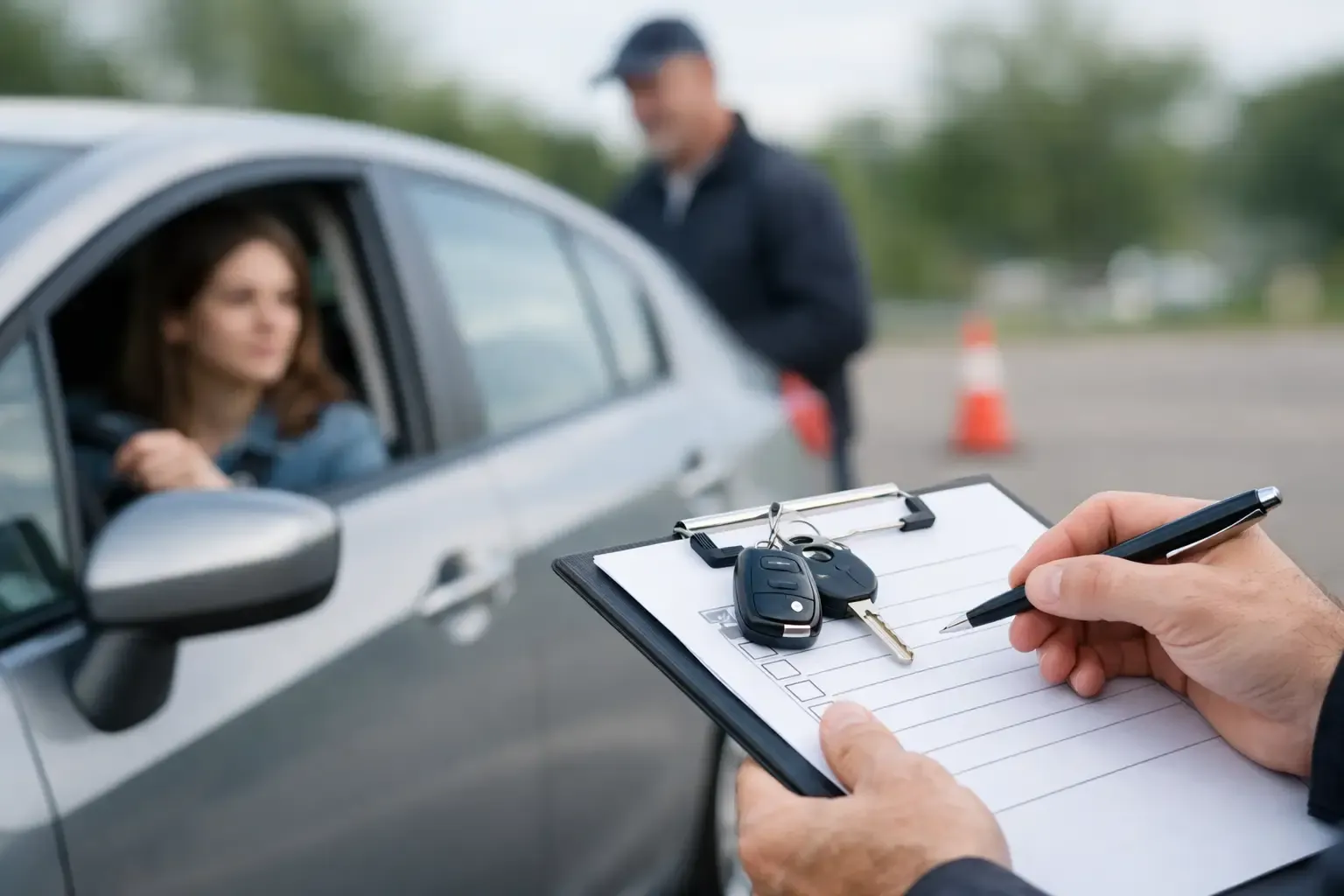
A road test can be canceled before you ever leave the curb if the car is not acceptable. That is why understanding road test car requirements matters just as much as practicing parallel parking, turns, and smooth stops. For New York drivers, the vehicle must be legal, safe, and ready for an examiner to evaluate your driving - not become the reason your appointment is delayed.
For many first-time drivers, arranging the right car creates more stress than the test itself. A family vehicle may be available but have a warning light, an expired inspection sticker, or an issue the owner has learned to live with. Those small details can become big problems on test day. A properly prepared vehicle, plus a qualified accompanying driver, lets you put your attention where it belongs: driving safely and confidently.
New York Road Test Car Requirements at a Glance
The vehicle you use for a New York State road test should be properly registered, insured, inspected, and in safe operating condition. It must also be the right type of vehicle for the license class you are testing for. The examiner has the final say on whether the car is suitable for the test.
You also need a licensed driver age 21 or older to bring the vehicle to the test site and ride with you. This driver must hold a valid license that authorizes them to drive the vehicle you are using. A learner permit does not allow you to arrive alone, even if you have practiced the route many times.
A clean, ordinary passenger car in good condition is usually the simplest choice. The goal is not to impress the examiner. The goal is to give yourself a predictable car with clear visibility, responsive controls, and no equipment issues that could distract from your performance.
Registration, inspection, and insurance must be current
Before test day, check the vehicle paperwork rather than assuming everything is current. The car should have valid registration, New York-required inspection, and active insurance coverage. Keep the documents available in the vehicle in case they are needed.
Do not wait until the morning of the test to discover that the registration has expired or the inspection sticker needs renewal. DMV appointments can be difficult to schedule, and a canceled test may mean waiting for another opening. If you are borrowing a car, ask the owner to confirm these details several days ahead.
Rental cars require extra care. Depending on the rental agreement and DMV rules, the licensed accompanying driver may need to be listed on the rental contract. Never assume a rental car is automatically approved for a road test. Read the agreement, confirm who is authorized to drive, and make sure the vehicle meets all test requirements before relying on it.
The car must be safe enough for the examiner
An examiner may decline a vehicle that appears unsafe or cannot be operated properly. This can include obvious mechanical concerns, damaged safety equipment, or a condition that prevents the examiner from assessing your driving fairly.
Check the basics in advance: the brakes should feel firm, the steering should respond normally, and the tires should have proper inflation and usable tread. Make sure the windshield is not obstructed by a major crack, fog, ice, or clutter. The driver and passenger doors should open and close properly, and the front passenger seat must be usable because the examiner rides there.
The horn, headlights, brake lights, turn signals, and windshield wipers should all work. You may not use every feature during a short road test, but a visible equipment failure can raise a safety concern. If the car has a dashboard warning light related to brakes, airbags, tires, or the engine, address it before the appointment instead of hoping it will be ignored.
Seat belts are non-negotiable. Both you and the examiner need functioning seat belts. Remove loose items from the front passenger area, back seat, and floor that could roll under a pedal or interfere with entry into the vehicle.
Choose a Car You Can Drive With Confidence
A vehicle can meet the legal requirements and still be a poor choice for your test. If you have learned in a compact sedan but plan to test in a large SUV with unfamiliar controls, you may spend valuable mental energy adjusting to its size, braking distance, mirrors, and turning radius.
Use a car you have practiced in whenever possible. You should know where the defroster, hazard lights, parking brake, headlights, and windshield wipers are located without searching. Before you start the exam, you may need to demonstrate that you can operate the vehicle safely. Familiarity makes those first moments calmer.
The transmission matters, too. If you take your road test in a vehicle with an automatic transmission, your New York license may carry an automatic transmission restriction. Drivers who want to be licensed to operate a manual transmission should practice and test in a manual vehicle only when they are genuinely comfortable with clutch control, hill starts, and low-speed maneuvering. For most Brooklyn drivers, an automatic car is the practical choice, but it depends on how you expect to drive after licensing.
Visibility is another overlooked factor. Clean the windshield, rear window, side windows, and mirrors. Adjust the driver’s seat so you can fully reach the pedals and see the road comfortably. Set your mirrors before the examiner enters the car. These details communicate preparation, but more importantly, they support safer observations throughout the test.
Do Not Forget the Driver Requirements
The car is only one part of a successful appointment. Bring your valid learner permit and the required proof that you completed the New York pre-licensing course or qualifying driver education course. If you have a vision correction restriction, wear your glasses or contact lenses.
Your accompanying driver should bring their valid driver license. They need to remain available throughout the appointment. The examiner cannot serve as the supervising driver, and you cannot drive away from the test location on your learner permit without the proper supervision.
Arrive early enough to settle in, adjust the seat and mirrors, and perform a quick final vehicle check. Rushing into the car after looking for parking can make even a prepared student feel flustered. Aim to arrive with time to breathe, not time to panic.
A Test-Day Vehicle Check Worth Doing
The night before, walk around the car with the same care you would use before a long trip. Check that the license plates are secure and visible, the tires look properly inflated, and there are no new leaks or damage. Start the vehicle and test the lights, signals, horn, wipers, defroster, and brakes.
On the day of the test, clear snow, ice, or heavy dirt from all windows, mirrors, lights, and plates. In rainy or cold weather, make sure you know how to control the wipers and defroster. New York weather can change quickly, and being able to keep the windshield clear is part of driving safely.
Avoid bringing a car with a temporary problem simply because it still moves. A noisy brake, broken passenger door handle, weak battery, low tire pressure, or unreliable turn signal is not worth the risk. Rescheduling a repair is easier than rescheduling a road test.
Using a Driving School Car
Using a driving school vehicle can remove several common test-day worries. You practice in the same type of car you plan to use, arrive with a qualified instructor, and avoid relying on a friend or family member’s schedule. It is especially helpful for students who do not have regular access to an insured, test-ready vehicle.
At Sky Light Driving School, students can prepare in modern BMW and Lexus training vehicles and use a road test package designed around the full experience - practice, transportation, and a properly equipped vehicle. This can be a practical option for nervous drivers, adult beginners, and international drivers adapting to New York testing expectations.
Still, the best option depends on your comfort level and preparation. If you are highly familiar with a reliable family car, it may be the right fit. If access to that car is uncertain or the vehicle has any unresolved issue, a school car can provide more consistency.
A road test is your chance to show calm judgment, safe control, and awareness of the road. Give yourself that chance by choosing a car that is legal, clean, familiar, and ready before the examiner arrives. The less you have to worry about the vehicle, the more confidently you can focus on every turn ahead.
🛡️ Expert Advice
Never underestimate the power of preparation! A vehicle that meets all road test requirements can make a world of difference. To avoid last-minute stress, double-check your car's condition and documents well in advance. Peace of mind leads to a confident driving performance.


